
Atmos : DUSF’s Climate Science Payload
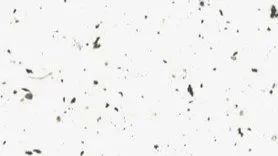
The aim of the ATMOS project is to image aerosols, primary black carbon and others of similar size, using digital holography.
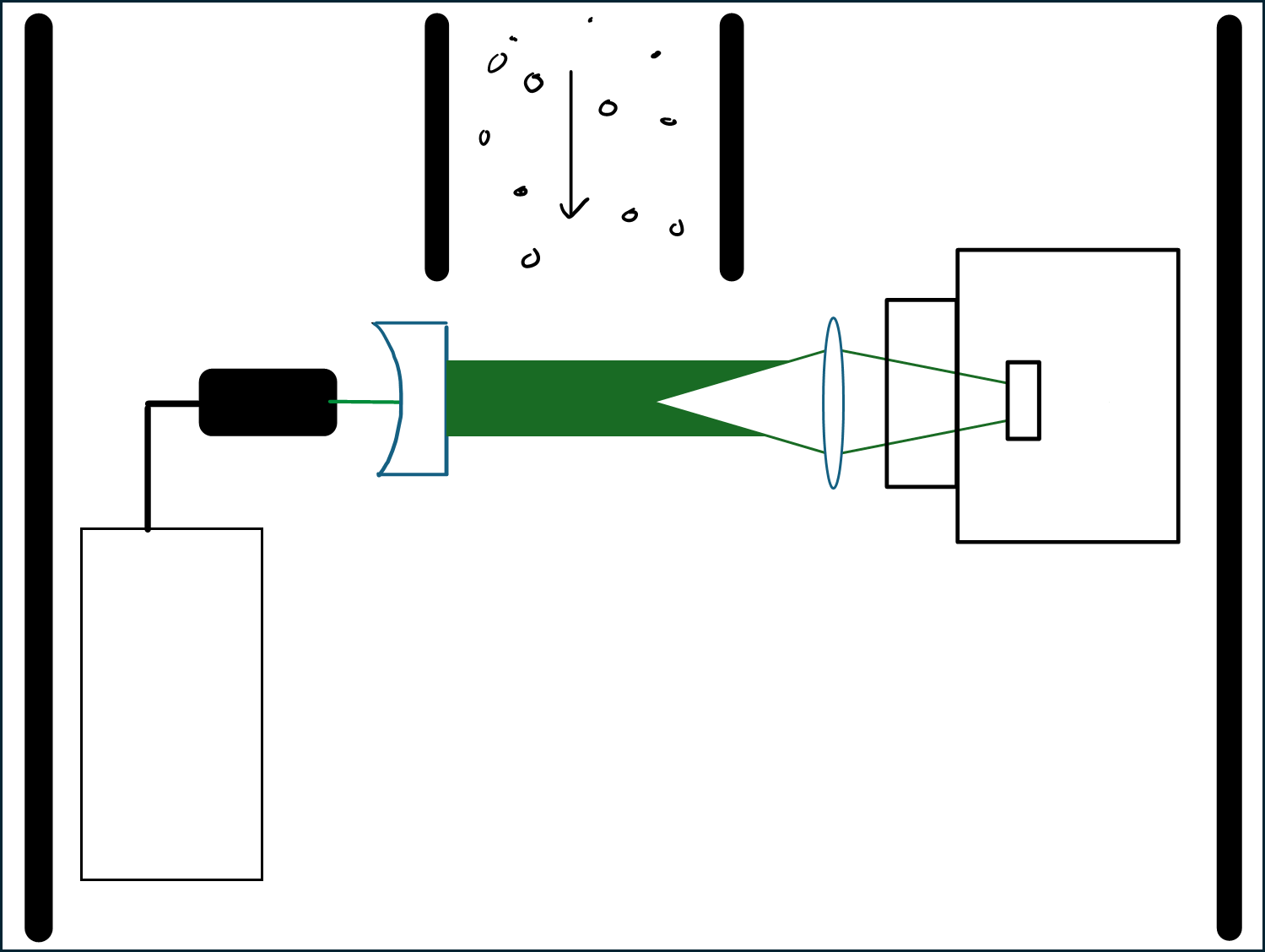
On descent, aerosols will enter the rocket through an inlet in the nose cone and pass through a beam. The shadow cast is recorded by a CCD/CMOS before being reconstructed in post. The main part of the particle imaging system is based on the setup used in this paper: https://www.nature.com/articles/s41598-020-72411-x.pdf
Avionics: Using custom PCB to command optical set up and data log. Optical Setup: Toptica iBeam Smart PT:
Output power: 50mW
Wavelength: 520 +/- 5 nm
Analog modulation up to 500 kHz
Pulse option, including up to 10 MHz auto pulse, or modulation bandwidth up to 250 MHz
Laser not aligned with transit of particles, Pigtail collimation necessary to orientate beam path with particle transit
Currently, we are in the process of finding sensor, lenses and collimators to complete the optical setup
Aims
Simulations
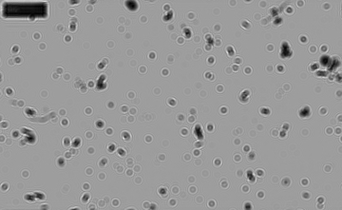
-Diffraction simulated using diffraction.sim library from GitHub.
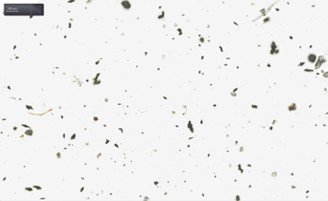
-Different microscope images of particles from the internet were used as samples.
-Simulated over different distances from the detector.
Software and Image Propagation
The role of the software will be to initially convert the raw diffraction patterns, captured by the optical system, to usable particle information. The frames are predicted to typically contain a smaller number of particles but at high diffraction, so in that case the core task is numerical reconstitution of particle images using Fourier-based propagation methods. Overall, the software serves as the computational bridge between raw optical holograms and actionable particle analytics.
Desired conclusions
Once the images are reconstructed, we can extract meaningful measurements such as particle size, shape, using more frames to get speeds, directions, and classify the particles. This can be matched up to altitudes to form vertical profiles comparing their size and shape distributions through the low atmosphere. In the case of multiple particles with lower diffraction spread, the same pipeline can extend to further count particles in the frame and segment overlapping diffraction rings.
Avionics and optical Set up
Rocket specifications
Rocket/Propulsion: L class (L850w)
Expected Apogee: 2.5km
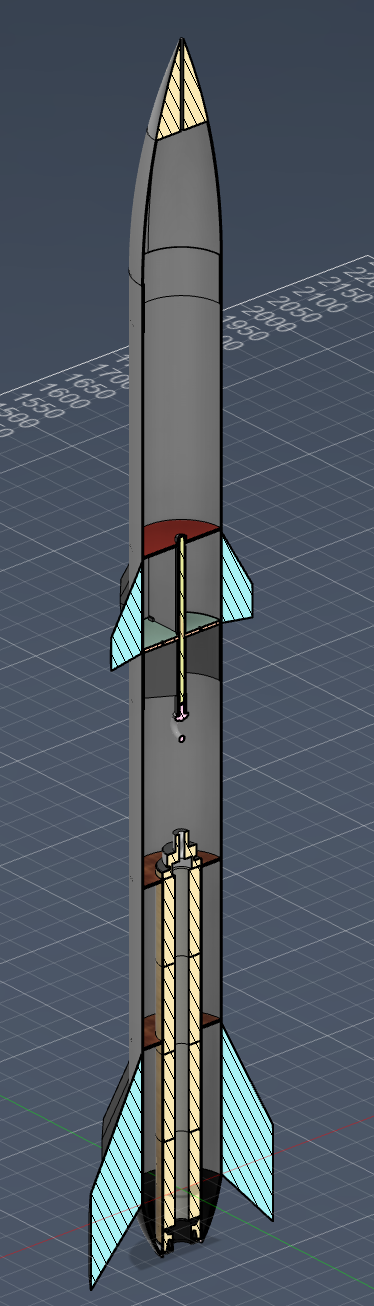
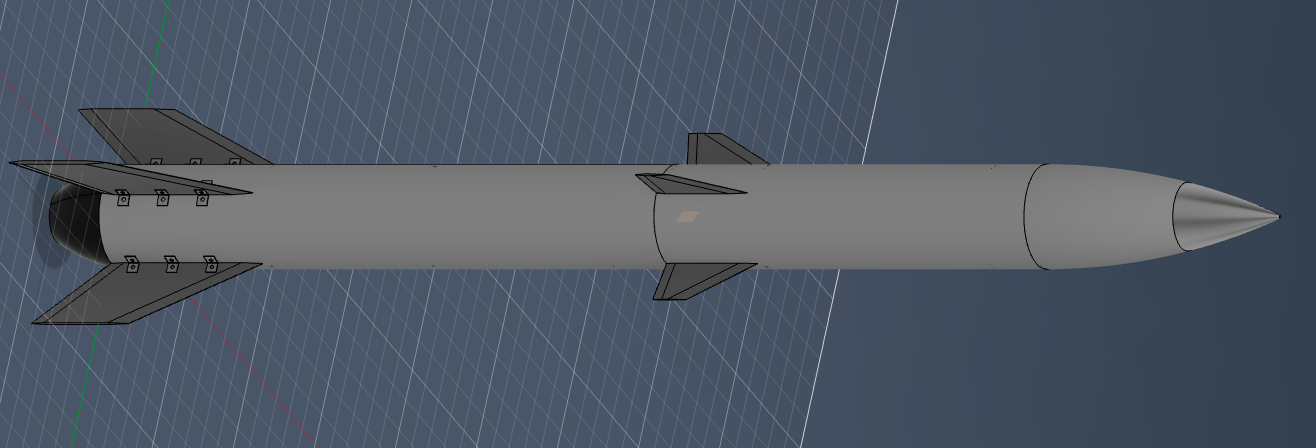
Airframe: 2-part separating at apogee, top stage with imaging system and bottom stage with motor.
Motor: L850w
Descent/parachute: drogue chute deployed when recording data then larger parachute deployed at 200m.